
For years, American fans treated gymnastics like a sport of perfect landings and silent pain. Then one athlete stopped in the middle of the biggest stage and forced the country to ask a harder question: what happens when the strongest person in the arena is no longer safe inside her own body? The Simone Biles Return matters because it was not a simple comeback story. It was a public reset of how the USA talks about pressure, athlete welfare, and winning. Biles stepped away during the Tokyo Olympics to protect herself, then came back through careful training, therapy, and renewed control. That arc now sits at the center of modern sports culture coverage, because it changed what millions of parents, coaches, and young athletes expect from elite sport. By the time she won again in Paris, the message was sharper than any medal count: mental health in sports is not a soft issue. It is part of performance, safety, and staying power.
The Moment Gymnastics Stopped Pretending Pressure Was Simple
The Tokyo Olympics did not create Biles’s pressure. It exposed it. Before that, fans saw the gold medals, the difficulty scores, and the calm wave after routines. They did not see the mental load of being expected to save a team, carry a sport, represent survivors, answer media questions, and perform skills that leave no room for confusion in the air.
Why the Tokyo Olympics twisties changed the public mood
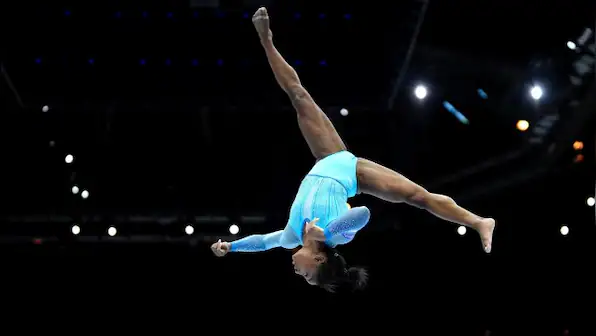
The Tokyo Olympics twisties became a phrase many casual sports fans learned overnight. In gymnastics, losing air awareness is not like missing a free throw or striking out. A gymnast can be upside down, rotating fast, and unsure where the floor is. That is a danger, not a weak moment.
Biles withdrew from the individual all-around after USA Gymnastics said she needed to focus on her mental health following further medical review. The wording mattered because it placed her decision in the same serious frame as a physical injury. She was not dodging pressure. She was reading danger before danger turned into damage.
The non-obvious part is this: stepping back may have protected the team as much as it protected Biles. A gymnast who cannot trust her body in the air can lose points, force teammates into emotional chaos, or suffer an injury that changes the whole meet. Her choice looked individual, but it was also tactical.
How American fans learned a new sports language
A large part of the USA watched that moment through old habits. Some people wanted grit at any cost. Others saw a woman naming a limit that athletes had been taught to hide. The split said more about American sports culture than about Biles.
For decades, pain made athletes look noble. Playing hurt was praised. Silence was treated as maturity. Biles made that script feel outdated in front of a global audience. She showed that mental health in sports affects timing, judgment, and physical safety.
That shift reached far beyond elite gymnastics. A high school coach in Texas, a club parent in Ohio, and a college athlete in California could all see the same lesson: courage is not always pushing through. Sometimes courage is telling the truth before the crowd understands it.
What the Simone Biles Return Proved About Pressure
The comeback did not begin with a medal. It began with trust. Biles had to trust her body again, trust her pacing, trust her coaches, and trust that she could compete without letting the public own her story. That is why her return felt different from a standard sports rebound.
The 2023 U.S. Classic showed control before glory
Her first elite competition after Tokyo came at the 2023 Core Hydration Classic. Biles won the all-around, floor exercise, and beam, added bronze on bars, and scored 59.100 in her first meet back since the Tokyo Games. The result was loud, but the meaning was quiet: she had built enough safety to test herself in public again.
A casual fan might look at the margin and say she never left. That misses the point. The win mattered because she did not need to return as a myth. She returned as a working athlete, one routine at a time, with fewer public promises and more private discipline.
That is the part young athletes should study. A gymnastics comeback is not one brave morning. It is a chain of small choices: show up, check the body, manage fear, repeat the skill, and refuse to rush the mind because the calendar says so.
Why winning again did not erase Tokyo
By Paris, Biles had again become the name everyone watched. USA Gymnastics lists her as the 2024 Olympic team, all-around, and vault champion, plus floor exercise silver medalist. That résumé could tempt people to rewrite Tokyo as a bump in the road. It was more than that.
Tokyo stayed part of the story because it explained the quality of the return. Biles was not trying to prove she had never been shaken. She was proving that being shaken did not end her career. That difference matters.
There is a useful lesson here for athlete recovery stories. Recovery does not always mean going back to the old version of yourself. Sometimes it means building a version with better boundaries, sharper self-knowledge, and less need to please strangers.
Why Her Comeback Changed Mental Health in Sports
The bigger story is not that Biles won again. Great athletes win. The deeper story is that she won after making mental care visible. She changed the order of the conversation. Instead of asking whether mental health belongs in elite performance, fans had to ask why it had been left out for so long.
Therapy became part of the performance story
During the Paris Games, Biles spoke about keeping up with weekly therapy sessions and fitting appointments around competition demands. She connected that work to her ability to perform, not as a side note but as part of her routine.
That matters for every American family paying for club sports, travel teams, private coaching, and summer camps. Parents often budget for shoes, uniforms, tournament fees, and trainers. Biles made space for another line item: emotional support.
The counterintuitive point is that mental care did not soften her edge. It helped sharpen it. Elite focus is not built by ignoring fear. It is built by learning what fear is telling you, then deciding what to do next.
The old toughness model started to crack
The old model said tough athletes absorb everything. They do not complain. They do not pause. They keep going because the team needs them. That model sounds strong until the body gives out or the athlete disappears from the sport.
Biles offered a better model. Toughness can include treatment. It can include rest. It can include a sentence like, “I am not safe to do this today.” The National Institute of Mental Health describes mental health as part of overall health and quality of life, which fits the lesson her career placed in public view.
For youth gymnastics, that lesson is not abstract. A child learning a back handspring needs confidence, trust, and body awareness. A teenager learning twisting skills needs even more. Coaches who treat fear as laziness may miss the warning sign until it becomes injury.
What American Sports Can Learn From Biles Now
Biles’s story landed in the USA because it touched several pressure points at once: youth sports burnout, celebrity culture, Olympic expectation, gender judgment, and the need for safer coaching. Her career became a mirror. Some people did not like what they saw.
Coaches need better questions, not louder speeches
A loud locker-room speech can sound strong. In gymnastics, it can also be useless. When an athlete says something feels off, the coach needs more than volume. They need questions that reveal whether the issue is fear, fatigue, confusion, injury, or loss of air sense.
The Tokyo Olympics twisties showed why this matters. A gymnast does not need a lecture when her body and brain stop matching in the air. She needs a plan, space, and skilled support. That can include drills, reduced difficulty, medical review, and mental performance work.
A practical example is simple. If a Level 10 gymnast in Florida starts balking on a twisting vault she has landed for years, the lazy answer is “commit.” The better answer is to step back, check patterns, lower risk, and rebuild the skill without turning shame into fuel.
Parents should stop confusing pressure with investment
American parents often spend serious money on sports. That can create a hidden trap. The more a family spends, the more a child may feel they owe everyone a return. That pressure can sit beneath every meet, every car ride, and every dinner after a bad score.
Biles’s career gives parents a better frame. Support should not become ownership. A young athlete is not a family business plan. They are a person learning how to handle risk, ambition, fear, joy, and loss.
That does not mean lowering standards. It means asking better questions after hard days. Try: “Did you feel safe?” “What did your body feel like?” “What support do you need before the next meet?” Those questions teach an athlete that honesty is part of excellence. For more context, a sports psychology basics resource can help parents and coaches build the right language.
Conclusion
Biles’s comeback should not be reduced to a neat poster quote. It was messier, braver, and more useful than that. She left the sport’s biggest stage when continuing could have put her at risk, then returned through work that most fans never saw. Her later medals did not cancel the pain of Tokyo. They gave it context. The Simone Biles Return showed that the future of American sports cannot be built on silence, fear, and forced smiles. Athletes need training rooms for the body and honest rooms for the mind. They need coaches who can tell the difference between nerves and danger. They need families who value the person more than the podium. Biles did not make winning less meaningful. She made it more honest. The next generation should not have to choose between greatness and health. Build the system that lets them have both.
Frequently Asked Questions
Why did Simone Biles step away from gymnastics in Tokyo?
She stepped away because she was not in the right mental and physical state to compete safely. In gymnastics, losing air awareness can become dangerous fast. Her decision protected her body, her teammates, and her long-term future in the sport.
What are the twisties in gymnastics?
The twisties happen when a gymnast loses the sense of where their body is while flipping or twisting. It can make a familiar skill feel unsafe. At elite speed and height, that confusion can lead to serious injury.
When did Simone Biles come back to competition?
She returned to elite competition at the 2023 Core Hydration Classic. She won the all-around, beam, and floor there, which signaled that her comeback had moved from training into public competition.
How did Simone Biles do at the Paris Olympics?
She won three gold medals and one silver in Paris. Her golds came in team, all-around, and vault competition, while her silver came on floor exercise. The results confirmed her place as one of the sport’s defining athletes.
Did therapy help Simone Biles compete again?
Biles has said weekly therapy sessions helped her during the Paris Games. That does not mean therapy alone created the results. It means mental care became part of her full preparation, alongside training, coaching, recovery, and competition planning.
Why did her comeback matter beyond gymnastics?
Her comeback changed how many Americans talk about athlete pressure. She showed that mental health is tied to safety and performance. That message reached parents, youth coaches, college athletes, and fans who had grown used to praising silent suffering.
Is mental health in sports only an elite athlete issue?
No. Young athletes also face pressure from parents, coaches, scholarships, social media, and team status. The stakes may look smaller, but the stress can still shape confidence, sleep, focus, and love for the sport.
What can parents learn from Simone Biles’s story?
Parents can learn to value honesty over forced toughness. Ask whether your child feels safe, supported, and heard. Strong standards still matter, but pressure should never make a young athlete afraid to speak up.

Related Posts