
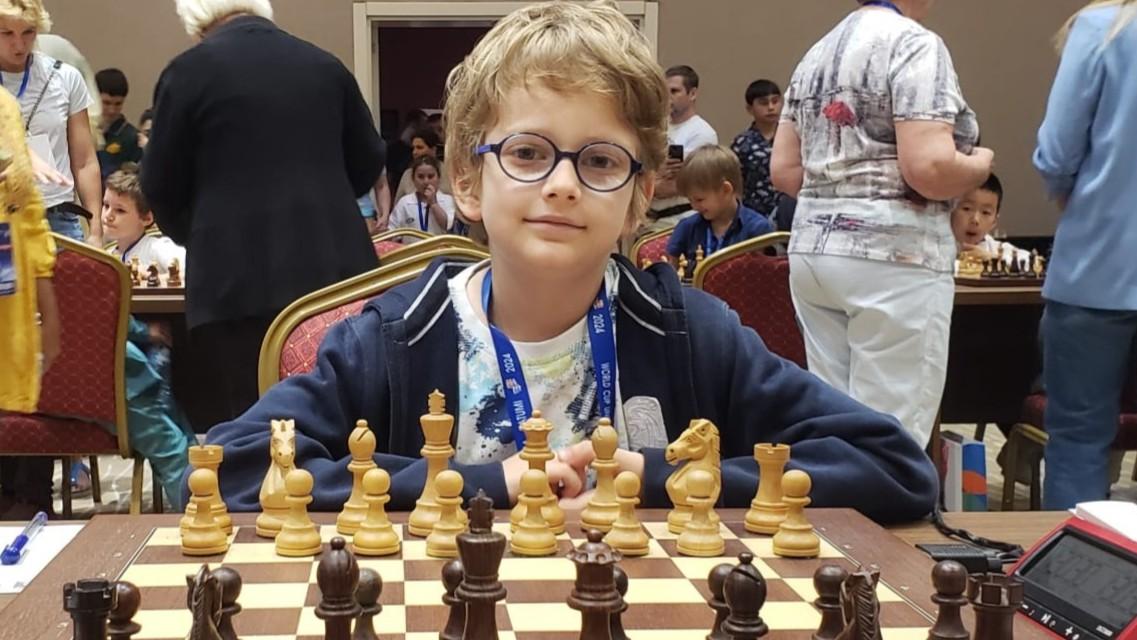
Chess does not care how old you are once the clock starts. A child can look harmless in the chair, then spend four hours making a grown grandmaster feel trapped. That is why the story of World Chess Champions is not a simple list of gifted teenagers. It is a story about pressure, timing, families, coaches, politics, endurance, and the rare mind that keeps improving after the rest of the room starts clapping too early.
For American readers, the question hits close to home. Scholastic chess in the United States is bigger, faster, and more online than it was a generation ago, yet most young stars never come near the crown. A prodigy needs more than fast calculation. They need emotional control, memory, stamina, taste, and the nerve to sit across from history without blinking. That is why serious chess development stories matter beyond the board. They show parents, coaches, and ambitious players what talent looks like after it has been tested.
The Crown Came Earlier Only When Chess Itself Changed
The age of the champion has never been random. In the old match era, a player often had to wait years for a shot, raise money, negotiate terms, and survive a slow-moving chess culture. Youth helped, but access mattered more. A genius born at the wrong time could lose his best years waiting outside the door.
That is the first lesson. The youngest winners were not only special because they saw tactics faster. They arrived when the system finally gave young players a path. Gukesh Dommaraju did not become champion in the same world as José Raúl Capablanca, Mikhail Tal, or Garry Kasparov. He grew up with engines, online databases, global tournaments, and a training culture that treats teenagers like full professionals.
Why Gukesh Changed the Age Question
Gukesh became the new FIDE World Champion in Singapore in December 2024, beating Ding Liren 7.5–6.5 after Ding’s late mistake in Game 14. FIDE described him as the 18th champion and the youngest ever in history, which changed the old age record attached to Kasparov.
The easy take is that Gukesh was young and fearless. That is too thin. His edge was colder than that. He played like someone who had already accepted discomfort. He lost Game 1 with the white pieces, a rough start for any challenger, then kept the match alive without acting wounded.
That trait matters for American juniors. Many talented kids win local events because they feel in control. A title match punishes that need. Gukesh’s gift was not only calculation. It was the ability to keep making normal moves under abnormal weight.
Why the Split-Title Era Still Matters
Ruslan Ponomariov also deserves care in this discussion because he won a FIDE title as a teenager in 2002 during the split-title years. That does not place him in the same clean line as the later undisputed champions, but ignoring him would flatten chess championship history.
The non-obvious point is that split titles make youth records messy. A younger player can win a world title in one format while the wider chess world still debates whether the crown carries the same weight. That is not the player’s fault. It is the system showing its cracks.
You see this in other sports too. Americans understand the difference between a league title, a tournament title, and an undisputed championship. Chess had its own version of that problem. So when people compare young chess prodigies across eras, they should ask one sharper question: what door did that player actually walk through?
World Chess Champions Who Reached the Top Before Their Prime
Most players are not supposed to peak at 18, 22, or 23. Chess is punishing because knowledge keeps piling up. Openings grow wider. Endgames need patience. Match play needs memory and emotional wear. Yet the youngest greats reached the title before the age when many elite players feel fully built.
That is what made them different. They were not finished products. They were dangerous works in progress. Kasparov, Carlsen, Tal, and Gukesh all carried a sense that the champion you saw today might be stronger by the next rest day.
Kasparov Turned Youth Into Force
Garry Kasparov was 22 years and seven months old when he took the crown from Anatoly Karpov in 1985, breaking Mikhail Tal’s record for the youngest champion at the time. Chess.com’s player profile notes that his age set a new youngest-ever mark before Gukesh later broke it.
Kasparov’s youth did not look gentle. It looked like pressure. Against Karpov, he brought opening depth, physical energy, and a willingness to turn every game into a test of nerve. He was not content to be brilliant in flashes. He wanted the whole match to bend toward his pace.
The American lesson is plain. Young talent often gets praised for creativity, but Kasparov showed the harder version: disciplined aggression. He made preparation feel violent. He did not wait for the older champion to fade. He made age itself feel like a burden.
Carlsen Made Being Young Look Quiet
Magnus Carlsen won the classical title in 2013 and held it until 2023, sitting in the modern line between Viswanathan Anand and Ding Liren. Current champion lists place Carlsen’s reign before Ding and Gukesh.
Carlsen’s youth felt different from Kasparov’s. He did not always try to crush opponents in the opening. He dragged them into positions that looked harmless, then kept asking small questions until the answer broke. That style was scary because it did not announce itself.
For young chess prodigies in the United States, Carlsen’s rise carries a strange warning. You do not need to memorize the sharpest line to become hard to beat. You need to understand which positions keep people uncomfortable for three more hours. Quiet pressure can be louder than attack.
What Separated Prodigies From Future Champions
Every big chess city has a story about a child who beat adults. New York has them. Dallas has them. Saint Louis has plenty. The difference between a prodigy and a champion is what happens after adults stop being shocked.
Early fame can freeze a player. The kid becomes “the talent,” and every loss feels like a public correction. The future champions handled that trap in different ways. Some became harsher workers. Some became calmer thinkers. Some learned to turn doubt into fuel without letting it poison their play.
Memory Was Never Enough
People often talk about chess prodigies as if they are walking hard drives. That misses the heart of it. Memory helps, but memory alone can make a player stiff. The best young champions remembered patterns, then judged when those patterns no longer applied.
Tal is the perfect example. He became champion in 1960 with a style that made defenders feel hunted. His attacks were not always clean in the engine sense, but they were hard for humans to meet over the board. That is a different skill.
Here is the counterintuitive part: some young champions were great because they understood human weakness better than perfect truth. Tal’s sacrifices worked because he knew a defender had to solve problems with a clock running and a crowd watching. Chess is not played by engines in a silent lab.
The Family and Coaching System Had to Survive the Gift
Behind almost every young champion stands a support system that did not collapse under the child’s success. That sounds simple. It is not. A gifted player brings travel, cost, school choices, public attention, and constant decisions about who gets access.
In the United States, this is where many families feel the squeeze. A strong junior may need tournaments in other states, paid coaching, online training, and time away from normal school rhythms. Talent opens doors, but it also sends bills.
Elite chess training works only when it protects the player from becoming a project instead of a person. Gukesh’s calm at the board, Carlsen’s independence, and Kasparov’s hunger all came with structures around them. Different structures, same point. The gift needed guardrails.
Why the Next Young Champion May Look Different Again
Chess keeps changing the profile of greatness. The next champion may come from an online-first childhood, a federation with deep youth programs, or a country that was once outside the old chess power map. That should excite American readers, even if the current title path looks brutal.
The United States has strong grandmasters, major events in Saint Louis, university chess programs, and a huge base of online players. Still, producing the next teenager who can win the crown is not about copying India, Norway, or the Soviet school. It is about building a culture where talent grows past applause.
Engines Raised the Floor, Not the Ceiling
Modern engines make young players stronger earlier. A teenager today can study positions that even world-class players misunderstood decades ago. That raises the floor. It does not hand anyone the crown.
The ceiling is still human. A player must choose under stress, recover after a loss, and sense when a “correct” move is wrong for the match situation. That is where elite chess training becomes more than opening files and engine lines.
A useful American example is the weekend Swiss tournament. A kid may know twenty moves of preparation, then face an older expert who plays a sideline on move six. Suddenly the game is no longer about files. It is about balance, patience, and pride. That small moment is the same lesson in miniature.
The Champion Mind Is Built Between Games
Fans remember the final move. Champions are often made in the hours after a bad result. Do they sleep? Do they blame? Do they chase revenge? Do they return to the board with a clean head?
Ding’s 2024 title defense showed how heavy the crown can become. FIDE’s championship site listed Gukesh as the youngest ever title contender before the match, while Ding entered as the defending champion after his 2023 win over Ian Nepomniachtchi.
That contrast matters. One player was trying to seize history. The other was trying to carry it. The next young champion will need both skills, because winning the title only changes the problem. After the crown, every opponent studies your habits with sharper teeth.
Conclusion
The youngest champions were not magic children who solved chess early. They were rare competitors who grew faster than the systems around them expected. Their strength came from timing, training, emotional control, and a strange comfort with pressure that would make most players shrink.
For American parents, coaches, and ambitious juniors, the better lesson is not “start earlier.” Plenty of children start early. The better lesson is to build depth before fame gets loud. Study the games, yes, but study the pauses too. The recovery after losses. The match habits. The way great players choose discomfort when an easier path is sitting there.
That is why World Chess Champions who win young stay so fascinating. They expose the thin line between talent and readiness. One gets applause. The other survives the final game.
If you want to understand greatness in chess, stop staring only at the trophy and start watching what the player can carry.
Frequently Asked Questions
Who is the youngest classical chess champion ever?
Gukesh Dommaraju holds that mark after defeating Ding Liren in the 2024 title match in Singapore. His win broke the age record long linked to Garry Kasparov and gave modern chess a new teenage benchmark for championship readiness.
Was Garry Kasparov younger than Magnus Carlsen when he became champion?
Yes. Kasparov won the title at 22 years and seven months in 1985. Carlsen became champion in 2013 at 22 years and nearly 12 months. The age gap is small, but Kasparov was still younger when he first took the crown.
Why do some lists include Ruslan Ponomariov as a teenage champion?
Ponomariov won a FIDE title during the split-title era, when chess had competing championship lines. His achievement was serious, but many comparisons separate split-era titles from the undisputed classical crown to keep the record clear.
What made Gukesh different from other young grandmasters?
His strongest trait was not only calculation. He showed match patience, emotional control after setbacks, and comfort in long defensive phases. Many young stars attack well. Fewer can stay steady when the title match turns slow and tense.
Can an American junior realistically become a future champion?
Yes, but the path is narrow. The United States has strong coaching, major tournaments, online access, and serious chess hubs. A future title contender would need world-class opposition early, stable support, and the maturity to handle public attention.
Is opening preparation the main reason young players are stronger now?
No. Opening work helps, especially with engines and databases, but it is not enough. Young players also need endgame judgment, practical decision-making, physical stamina, and the ability to recover after bad games without carrying panic into the next round.
What age do most chess players reach their peak strength?
Many elite players improve into their late twenties or thirties because experience matters so much. That is why teenage champions are rare. They must develop adult-level judgment before most players have finished building their full competitive style.
What should parents learn from young chess prodigies?
Support the child without turning every result into a verdict. Strong coaching, rest, normal friendships, and healthy tournament pacing matter. A gifted junior needs challenge, but also space to lose, learn, and stay connected to the joy of playing.

Related Posts