

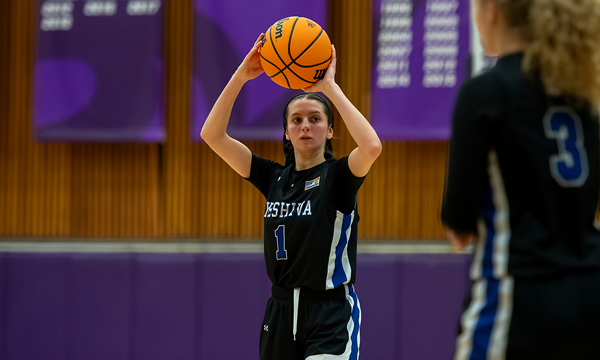
Every American sports season needs someone who was not supposed to matter this much. Fans can study rosters, contracts, draft boards, depth charts, and preseason rankings, but nothing changes the emotional shape of a season like a breakout player story that arrives ahead of schedule. It gives people a reason to watch beyond the obvious stars and the usual championship favorites. It also gives local coverage, national debate shows, podcasts, and fan communities something fresh to chase, which is why platforms built around sports visibility and public attention, such as sports media exposure, understand how quickly one unexpected name can shift a conversation. In the United States, where every league fights for attention across crowded calendars, the player who suddenly becomes impossible to ignore gives a season its pulse. That rise feels personal because fans believe they noticed it before everyone else did. They watched the missed shots, the special teams snaps, the bench minutes, the quiet progress. Then, almost overnight, the whole country catches up.
Why Breakout Player Story Moments Give a Season Its Identity
A season without surprise can feel like a schedule being completed rather than a drama being lived. Championships matter, records matter, and rivalries matter, but American fans rarely remember a year only by the final standings. They remember the player who came out of nowhere and made every game feel less predictable. That kind of rise turns a long season into something with texture, because the audience gets to watch belief form in real time.
How unexpected player rise changes the way fans watch
The first sign usually does not look historic. It might be a second-year wide receiver beating a trusted corner twice in September, a backup guard suddenly closing fourth quarters in the NBA, or a rookie pitcher getting out of a bases-loaded jam in front of a loud home crowd. At first, fans treat it like a fun detail. Then the detail keeps showing up.
That is where attention changes. A casual viewer starts checking box scores for one name. A local radio host builds a segment around whether the coaching staff should give him more minutes. A fan who swore the season was already lost starts watching because this one player makes the future feel less flat.
Unexpected player rise also gives losing teams a reason to keep their audience. Not every American sports city gets a playoff chase every year, but nearly every city can rally around progress. A young player growing faster than expected can make November football, January basketball, or late-summer baseball feel worth the emotional investment again.
Why underdog sports narrative matters in U.S. leagues
The underdog sports narrative works because fans know how hard it is to earn space in American professional sports. Every roster spot carries pressure. Every mistake gets clipped, posted, argued over, and judged. When someone climbs through that noise, the story feels earned rather than handed out.
This is why a sixth-round NFL pick, a G League call-up, or a former late-round MLB prospect can grip the public imagination. The appeal is not pity. Fans do not want a charity case. They want proof that development still matters in leagues that often market finished stars before they market growth.
The underdog sports narrative also gives fans a cleaner emotional entry point than superstar coverage. Stars can feel distant because their greatness looks prewritten. A breakout player still feels close to the ground. You can see the rough edges, the nerves, the small corrections, and that makes the rise easier to believe in.
How Rising Sports Star Energy Builds Stronger Fan Communities
Surprise does not stay on the field. Once a player starts climbing, the story moves through tailgates, group chats, fantasy leagues, sports bars, campus conversations, and local newsrooms. A rising sports star can turn disconnected fans into a shared audience because everyone starts comparing notes. That shared discovery creates one of the best feelings in sports: the sense that something is happening and you are early enough to enjoy it.
Why rising sports star attention feels personal
A rising sports star often becomes a fan’s private discovery before becoming a national headline. Someone remembers the preseason flashes. Someone else remembers defending the player after a rough debut. Another fan claims they knew from college tape. These claims sound silly from a distance, but they are part of the fun.
Sports fandom in the U.S. is built on ownership without ownership. Fans cannot call plays, make trades, or control injuries, but they can spot potential. When that potential turns into production, the emotional payoff feels real. It feels like being right before the world agreed.
This is why social media can turn one strong performance into a cultural marker by the next morning. A rising sports star gets clipped, praised, doubted, meme’d, and debated before the next game even starts. The speed can be messy, but it also shows how hungry fans are for fresh stakes.
How player development story keeps local loyalty alive
A player development story gives a fan base something sturdier than hype. Hype burns fast. Development builds trust because the audience sees the player become more complete piece by piece. A shaky ball-handler tightens his decision-making. A young linebacker stops overpursuing. A hitter who chased breaking balls learns to wait.
That slow growth matters most in cities that live with rebuilding seasons. A player development story can soften the frustration of losses because it points toward a shape the team might become. Fans may still complain, and they should. Complaining is part of the contract. But progress gives the complaints somewhere to go besides despair.
American teams that handle development well also earn patience from their communities. Not endless patience, because fans are not fools, but enough to let a plan breathe. When people can see a player getting better, they are more willing to believe the organization knows what it is building.
The Business Value Behind Breakout Player Story Attention
Sports may run on emotion, but attention has a price tag. A Breakout Player Story can affect ticket demand, jersey sales, media coverage, fantasy interest, sponsorship angles, and broadcast energy. The business side follows the feeling because audiences reward freshness. When a new face starts drawing eyes, everyone connected to the team has a chance to widen the moment.
Why sports fan engagement grows around new names
Sports fan engagement spikes when fans feel there is something to investigate. Established stars come with known expectations. A new name creates questions. Can he keep this up? Was the scouting report wrong? Did the coaching staff find something other teams missed? Should the team change its rotation, lineup, or scheme?
Those questions create conversation between games, which is where modern sports attention often lives. A Sunday performance becomes a Monday podcast argument, a Tuesday film thread, a Wednesday fantasy waiver claim, and a Thursday betting debate. The game ends, but the story keeps producing motion.
Sports fan engagement also deepens when the player’s role is still changing. Fans love tracking promotion. A player moves from garbage time to real minutes, from special teams to defensive snaps, from platoon duty to everyday starter. Each step gives the audience a small victory to mark.
How teams can handle a player development story without ruining it
A player development story can get crushed by bad handling. Teams sometimes rush the marketing before the player has stable footing. They plaster the young name across campaigns, push interviews after every good night, and treat early production like a finished identity. That can turn a healthy rise into a burden.
Smart organizations protect the work. They let the player speak, but they do not make him carry the franchise before he is ready. They give fans access without turning growth into a circus. The best teams know the difference between celebrating a moment and squeezing it dry.
There is also a lesson for media coverage. Not every hot month needs a legacy debate. Not every strong rookie stretch needs comparison to a Hall of Famer. Better coverage asks sharper questions about role, skill growth, coaching trust, and pressure. That makes the story richer and keeps the player human.
Why Every Season Feels Better When Someone Beats the Timeline
Sports seasons drag when everything follows the script. The favorite wins, the rebuilding team struggles, the veteran produces, and the rookie waits. Then someone beats the timeline, and the whole map changes. That is the secret force behind the best American sports years: not chaos for its own sake, but possibility arriving earlier than planned.
How unexpected player rise changes team belief
Unexpected player rise affects more than the fan base. It changes the locker room because teammates feel the lift before the public fully understands it. A young player who starts winning matchups in practice often forces veterans to raise their own level. Coaches notice. Position groups adjust. Confidence spreads through repetition.
This can matter most during the dull middle of a season. Every league has a stretch where bodies hurt, travel gets old, and motivation thins out. A player who keeps improving during that grind gives the room fresh energy. He reminds everyone that the season is still moving, not merely being endured.
The counterintuitive part is that a breakout can help veterans as much as young players. It takes pressure off the established names and gives opponents a new problem to solve. A team with one more reliable option suddenly looks less fragile.
Why underdog sports narrative still sells hope without lying
The underdog sports narrative can become cheap when it turns every mild surprise into a miracle. Fans see through that. They know the difference between a nice stretch and a career shift. The honest version works better because it does not pretend every breakout becomes a superstar.
Hope does not need exaggeration. A player can matter deeply without becoming the face of the league. He can save a season by filling one missing role, changing one matchup, or giving a city one reason to believe next year may arrive sooner than expected.
That is why sports should leave room for the imperfect breakout. The player who rises, struggles, adjusts, and keeps fighting often gives fans a truer story than the instant star who never looks uncomfortable. Growth with friction feels closer to real life, and sports are better when they remember that.
Conclusion
American sports will always need stars, rivalries, banners, and big-market pressure. Yet the heart of a season often belongs to the player nobody circled in August. That rise changes how fans watch, how teams believe, and how communities talk to one another between games. A breakout player story reminds everyone that the script is never as locked as it looks. For fans, that means paying attention before the national spotlight arrives. For teams, it means building systems that let talent grow without crushing it under noise. For media, it means covering progress with care instead of turning every hot streak into a prediction contest. The next time a new name starts bending the season around him, do not wait for consensus. Watch the details early, trust what the games are showing you, and let yourself enjoy the rare sports pleasure of seeing tomorrow arrive ahead of schedule.
Frequently Asked Questions
Why does every sports season need a breakout player story?
A breakout player gives the season surprise, movement, and emotional stakes beyond the usual stars. Fans need fresh reasons to care, especially during long schedules. When one player rises faster than expected, the entire season feels more alive.
What makes a breakout player different from a regular young prospect?
A breakout player changes expectations during the season, not only in future projections. A prospect may have long-term promise, but a breakout player forces coaches, fans, and opponents to react right now because the production has become too strong to ignore.
How does a breakout player help fan engagement?
Fans engage more when they feel they are watching a story develop in real time. A breakout player sparks debate, social posts, fantasy decisions, local coverage, and game-to-game curiosity. That constant conversation keeps interest alive between matchups.
Why do American sports fans love underdog player stories?
American sports fans respect earned opportunity. When a lesser-known player climbs through pressure, limited chances, and public doubt, the rise feels human. It mirrors effort, patience, and belief, which makes the story easier for fans to connect with.
Can a breakout player change a team’s season?
One player can change a season if his role solves a real problem. A new scorer, defender, blocker, pitcher, or playmaker can reshape matchups and boost confidence. The impact grows when coaches trust the player in meaningful moments.
How should teams protect a rising sports star?
Teams should give the player support, clear expectations, and room to adjust. Early success can bring pressure fast, so smart organizations avoid overexposure. They celebrate the rise while keeping the player focused on habits, preparation, and steady growth.
Why does player development matter to local fans?
Player development gives local fans proof that the team is building something instead of waiting for luck. Watching a player improve over weeks and months creates loyalty because the audience feels connected to the process, not only the final result.
What are signs a player is having a true breakout season?
Consistent role growth, better decision-making, trust from coaches, and production against strong opponents are strong signs. A true breakout is not one good night. It holds up when opponents adjust and the pressure around the player starts to rise.

Related Posts