

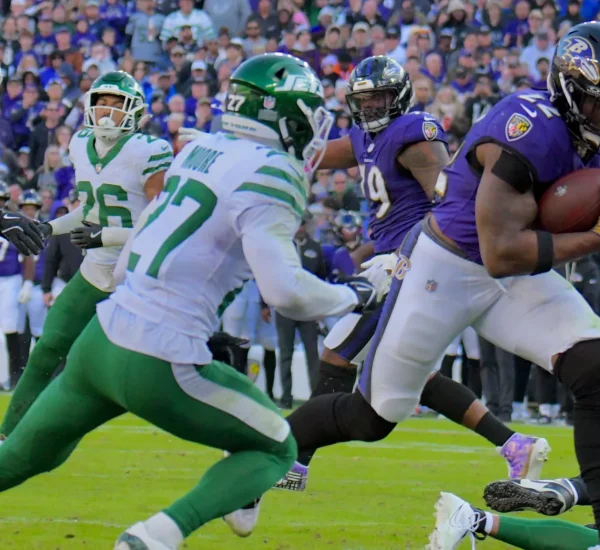
A final score can feel too small for what happened on the field. One number decides the winner, but it rarely explains the path, the pressure, or the choices that shaped the night. That is where postgame analysis gives American sports fans something they crave after the buzzer, whistle, or final out: a way to make sense of what they saw. It turns emotion into understanding without draining the fun from the game.
Fans in the USA do not watch sports in silence. They argue at kitchen tables, text during commercial breaks, call into radio shows, and scroll through breakdowns before the locker room interviews finish. A strong sports discussion can keep a game alive long after it ends, especially when local voices and trusted platforms like sports media coverage help turn raw reaction into sharper conversation.
The best analysis does not tell fans what to think. It gives them better tools to notice what mattered. A missed assignment, a tired rotation, a smart timeout, or one quiet adjustment can explain why a result felt surprising, deserved, lucky, or frustrating. Once fans see those layers, they stop being stuck with the score alone.
Why Postgame Analysis Gives the Final Score a Real Story
The score tells you who won, but it often hides how fragile the result was. In American sports, one NFL third-down stop, one NBA defensive switch, one MLB pitching change, or one college football penalty can bend the whole night. The job of a good postgame breakdown is to rebuild the chain of events so fans can see the result as a story, not a mystery.
How game breakdowns reveal the turning point
A game breakdown works best when it slows the rush of the night. Fans usually remember the loudest moment first, but the loudest moment is not always the decisive one. A team might win on a late touchdown, yet the real turn came ten minutes earlier when the defense forced a short field.
Take a close NFL game as an example. A quarterback may get praise for a final drive, and he may deserve it, but a deeper look might show the offensive line changed protection after halftime. That detail matters because it explains why throws that looked risky in the first half became cleaner in the fourth quarter.
The same idea shows up in basketball. A fan may blame a missed three-pointer at the end, but the real issue could be a poor defensive possession three minutes earlier that forced the team to chase the game. Good analysis pulls attention away from the obvious scar and toward the deeper wound.
Why sports commentary keeps fans from overreacting
Sports commentary earns its value when it challenges the first emotional take. Fans live close to their teams, and that closeness can blur judgment. A loss can feel like disaster, while a win can hide problems that will return next week.
Local fans in places like Boston, Dallas, Philadelphia, and Chicago know this pattern well. A single ugly loss can turn into a referendum on the coach, the roster, the quarterback, or the front office by sunrise. A calm postgame voice can remind people that context matters.
Strong commentary does not protect teams from criticism. It sharpens the criticism. Instead of saying a team “wanted it more,” a better explanation points to spacing, substitution timing, field position, fatigue, matchup pressure, or missed execution. That shift matters because it replaces noise with judgment.
How Tactical Details Help Fans See What Changed
Once fans understand the broad story, the next step is seeing the mechanics beneath it. Every result has visible moments and hidden causes. Coaches and players live in those hidden causes, but fans can learn to spot them when the breakdown is clear enough.
Why team performance often turns on small adjustments
Team performance rarely changes by magic. It changes because someone solves a problem before the opponent solves the next one. That chess match is easy to miss during live action because the camera follows the ball, puck, runner, or shooter.
In an NBA playoff game, a coach may move a weaker defender away from a hot scorer, bring help earlier, or force the ball toward a less comfortable side. The scoreboard may call it a comeback. The film says something more useful: the team removed the opponent’s favorite option.
Football gives another clean example. A defense might stop blitzing after halftime and still create pressure by disguising coverage. To a casual viewer, the quarterback suddenly looks uncertain. To anyone watching the structure, the defense has changed the questions he must answer before every snap.
Baseball works in quieter ways. A manager might pull a starter before the box score looks alarming because the lineup is seeing the ball better on its third trip through. Fans who understand that decision see strategy instead of panic.
How player reactions explain pressure without excuses
Player reactions after a game can reveal what the stat sheet cannot. A slumped walk to the bench, a quick glance at a coach, or a careful answer in a press conference can show the emotional weight of a result. Those details matter, but they need careful reading.
A veteran missing a late free throw does not always mean he “choked.” The better question is what happened before that shot. Did he play heavy minutes? Did the opponent attack him on defense? Did his team run out of spacing? Pressure leaves fingerprints before it shows up in the final moment.
Young athletes also teach fans a lot through their responses. A rookie receiver who takes blame after a dropped pass may be learning how to own a role. A pitcher who avoids eye contact after a rough inning may be fighting the mental side of a long season. These are not excuses. They are pieces of the result.
Good analysis treats players as people inside a system. That balance keeps fans from turning every mistake into a character trial.
How Numbers and Context Work Better Together
Statistics can clarify a game, but they can also mislead when they float without context. A box score is a map, not the territory. Fans need someone to connect the numbers to the action, the opponent, the setting, and the pressure of the moment.
Why fan understanding improves when stats meet the eye test
Fan understanding grows when numbers explain what the eye already felt. A team may look flat, but the shot chart might show it settled for low-value attempts. A quarterback may seem careless, but pressure rate may show he had no time to throw. A goalie may appear unbeatable, but the chances against him may have come from poor angles.
The phrase “eye test” gets abused, but it still has value. Fans notice rhythm, body language, tempo, and nervous energy. Numbers give those impressions a test. The best analysts do not choose one side. They let each side correct the other.
Consider an MLB game where a hitter goes 0-for-4. The line looks bad, but three hard-hit balls into the shift tell a different story. On another night, a player may collect two soft singles and look productive in the box score. Context keeps fans from mistaking outcome for quality.
That matters because sports are full of unfair nights. Good process can lose. Bad process can win. Analysis helps fans live with that truth without feeling cheated by it.
How result explanation separates luck from repeatable habits
A result explanation becomes useful when it answers one question: can this happen again? That is the difference between a lucky escape and a sign of growth. Fans care because they are always thinking about the next game, the next series, or the next season.
In college basketball, a team might win because it hit an unusual number of contested threes. That win counts, but it may not travel well. A different win built on defensive rebounding, ball security, and paint touches carries stronger evidence for the future.
The same logic applies to the NFL. A team that wins the turnover battle by chance may not have fixed its deeper issues. A team that wins because it protected the quarterback, tackled cleanly, and avoided penalties has habits worth trusting.
This is where postgame analysis becomes more than entertainment. It helps fans separate what happened once from what might keep happening.
Why Better Analysis Makes Fans Smarter and More Connected
The best part of a strong breakdown is not that it proves someone right. It makes the next game richer. Fans begin noticing spacing, matchups, tempo, rotations, formations, and decision points in real time. The sport opens up.
How sports commentary builds better local conversations
Sports commentary shapes how American fans talk to each other. A strong local conversation can turn a tough loss into a smarter debate instead of a shouting contest. That matters in cities where teams feel tied to identity, routine, and family memory.
A New York fan may see a late collapse through years of frustration. A Kansas City fan may read confidence into a team that has earned trust. A Detroit fan may carry scars from seasons that went sideways. Analysis does not erase those emotions, but it gives them better direction.
The most useful voices speak to fans without mocking them. They know anger after a loss is part of caring. They also know caring does not excuse lazy thinking. That balance keeps the conversation honest.
Good commentary lets fans argue better. Not softer. Better.
Why game breakdowns make the next matchup more meaningful
Game breakdowns do their best work when they change how you watch the next contest. After a strong explanation, you do not wait only for the big play. You watch whether the defense keeps its shape, whether the bench unit survives, whether the offensive line handles a stunt, or whether the coach trusts a young player in a tense moment.
That habit makes sports more rewarding. A fan who understands why a team lost on Sunday watches Monday’s practice report differently. A fan who sees why a basketball team struggled against zone coverage watches the next opponent’s defensive plan with new interest.
There is a quiet pleasure in knowing what to look for. You feel less trapped by hot takes and more connected to the game itself. That shift turns fandom from reaction into participation.
American sports culture runs on debate, but the best debate needs more than volume. It needs memory, context, and a willingness to change your mind when the film points somewhere unexpected.
Conclusion
A final score closes the contest, but it should not close your thinking. The richest part of being a fan often starts after the game, when the noise drops and the meaning becomes clearer. You learn which moments mattered, which reactions were fair, and which assumptions fell apart under closer inspection.
Strong postgame analysis gives fans a better relationship with winning and losing. It teaches patience after ugly results and caution after flattering ones. It also reminds you that every game contains more than heroes, villains, and one dramatic final scene.
The next time your team finishes a tight game, resist the rush to settle on the easiest take. Watch the possessions, the substitutions, the missed assignments, and the choices that shaped the ending. Start there, and every result will tell you more than the scoreboard ever could.
Frequently Asked Questions
How does postgame analysis help fans understand a close game?
It breaks the result into smaller decisions, matchups, and turning points. Fans can see whether the game changed because of coaching, execution, fatigue, pressure, or chance. That makes a close result easier to understand without reducing everything to one final play.
Why is sports commentary important after a major loss?
Sports commentary can slow down emotional reactions and add context. A major loss often feels worse than it actually is, especially for loyal fans. Good commentary separates real problems from temporary frustration and helps the conversation stay grounded.
What should fans look for in a useful game breakdown?
Fans should look for clear examples, specific moments, and reasoning tied to the game itself. A useful game breakdown explains why something happened, not only what happened. It should make the next game easier to watch with sharper eyes.
How can team performance look different from the final score?
Team performance can be stronger or weaker than the score suggests. A team may win despite poor habits, or lose despite playing well in key areas. Context such as shot quality, field position, turnovers, and late-game decisions can change the reading.
Why do player reactions matter after a game ends?
Player reactions can show pressure, accountability, confidence, or frustration. They should not replace tactical analysis, but they add human context. Fans understand the result better when they see how athletes respond to the moments that shaped it.
How do statistics improve fan understanding after a game?
Statistics help test what fans thought they saw live. They can confirm a pattern, expose a hidden weakness, or challenge an emotional reaction. The strongest analysis connects numbers to real game situations instead of treating them as isolated proof.
What makes a result explanation better than a hot take?
A result explanation uses evidence from the game. A hot take usually jumps to blame or praise before looking closely. Better analysis shows the sequence of causes behind the score, which gives fans something useful instead of another loud opinion.
Why do American fans enjoy postgame sports discussion so much?
American fans often treat sports as part of daily life, local identity, and shared routine. Postgame discussion keeps the experience alive after the final whistle. It gives fans a place to argue, learn, vent, and feel connected to the team.

Related Posts