
Basketball did not change because players forgot how to post up, cut hard, or finish at the rim. The NBA three point revolution changed the sport because coaches finally treated space as a weapon, not empty floor. Fans in the USA now watch a game where one shooter standing in the corner can pull a defender six steps away from the paint. That small shift opens driving lanes, changes help defense, and forces every player to think faster. You can see the same idea in a middle school gym, a high school playoff game, an NCAA tournament upset, and an NBA Finals possession. The shot is not only about range. It is about pressure. A defense that fears three point shooting has fewer safe choices, and modern teams build whole game plans around that fear. For readers who track how sports, media, and strategy shape American culture, sports industry coverage often shows why one rule can change far more than a box score.
Why the NBA Three Point Revolution Changed Shot Value
For years, basketball taught players to move closer to the basket. That made sense. Close shots are easier, fouls happen near the rim, and big players once ruled the lane. Then the math became too loud to ignore. A team did not need to shoot the long ball at the same rate as a layup for it to be worth the risk. If a player made enough of them, the shot could beat a clean midrange jumper over time. The hard part was cultural. Coaches had to accept a miss that looked wild if the process behind it was sound. Fans had to learn that a quick kickout could be smarter than a contested shot near the elbow.
The math made old shot charts look wasteful
A long two can look beautiful. A guard curls off a screen, rises from 19 feet, and drops the ball through the net. Coaches loved that shot because it felt controlled. The problem is simple: it counts the same as a layup but carries a harder make rate. Once front offices and coaching staffs gave that shot a cold look, the middle of the floor started to shrink.
This does not mean midrange scoring became useless. That is the lazy take. The best playoff scorers still need it when defenses run shooters off the line and wall off the rim. Think about Kevin Durant, Devin Booker, or Jalen Brunson. Their short pull-ups matter because the defense has already been stretched. The midrange is no longer the first meal. It is the counterpunch.
That is the non-obvious part. The long ball did not kill skill. It made skill more conditional. A player now has to know when the defense has taken away the best shot, not settle because the ball found his hands at 18 feet. For coaches, that changes film study, practice plans, and even which misses they can live with.
You see it late in close games. A team may run a set that begins like a hunt for a three, then ends with a floater or short jumper because the defense overreacted. The shot chart says two points. The possession says the arc did its job.
Why the corner changed the whole floor
The corner three has a strange power. It sits near the baseline, away from the main action, yet it controls the paint. When a shooter plants there, the weak-side defender has a hard choice. Stay home and give up the drive, or help at the rim and risk a kickout. That is why the corner became the quiet office of modern basketball offense.
The NBA’s line is farther above the break than in the corner, and the court shape makes that spot special. The official NBA playing rules spell out what counts as a three-point field goal, but the rule book cannot show the panic it creates in a defender’s feet. One step too far toward the ball, and a pass reaches the corner before the defender can recover.
The Boston Celtics have offered a clear modern example. Their recent teams did not treat corner spacing as decoration around stars. They used it to make every drive, post touch, and swing pass more painful to guard. Even a missed corner look can be a good possession if it came from paint pressure and forced the defense to rotate. Bad teams copy the shot volume. Good teams copy the chain reaction. That difference matters in pickup games and practice gyms too. A shooter standing in the corner is not helping if nobody attacks his defender’s decision. Space has to be used, not admired.
For more background on how numbers shape coaching choices, see how sports analytics changed coaching.
How Three Point Shooting Rebuilt Player Roles
The first wave was about shot selection. The next wave changed job descriptions. Players who once had fixed lanes now live in blended roles. Centers pass from the top. Power forwards trail into rhythm threes. Guards shoot from deeper spots so ball screens start closer to half court. The court did not get wider, but it feels that way. This is why roster building looks different from even a decade ago. A coach is not only asking whether a player can score. He is asking whether that player can keep the defense honest while someone else attacks.
Big men had to stretch beyond the lane
The old center could survive by screening, rebounding, and scoring near the rim. Some still can, but the job is harder. If a big man cannot shoot, pass, or punish switches, his team may lose space on offense. Defenders will sit in the lane, clog drives, and dare him to make plays outside his comfort zone.
Brook Lopez is a useful example because his career shows the shift in plain sight. Early on, he was a low-post scorer who worked near the block. Later, he became a high-volume floor spacer for Milwaukee. That change helped Giannis Antetokounmpo attack open lanes instead of crowded ones. Lopez did not become less of a big man. He became a different kind.
The counterintuitive lesson is that shooting can make size matter more, not less. A center who can stand beyond the arc pulls the opposing rim protector away from the basket. That gives smaller teammates the lane. So the long shot does not replace inside pressure. It clears the road for it.
This also changes defense. A slow-footed big who once camped near the rim now has to decide whether to chase a shooter, switch onto a guard, or drop and give up space. None of those choices feels safe when the offense has five players reading the same rotation.
Guards learned to bend defenses before the pass
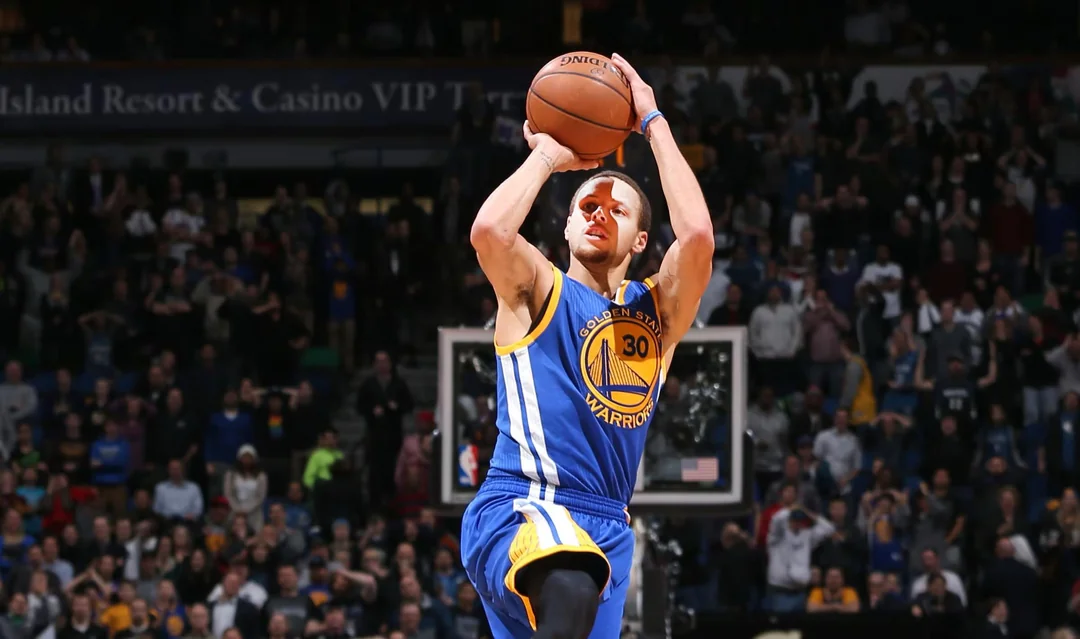
Stephen Curry changed what defenders consider safe. Before him, many coaches could live with a guard shooting from several feet behind the line. Now, a high screen near 30 feet can feel like an alarm. If the defender goes under, the shot goes up. If the big steps out, the lane opens. If both chase, a short roll becomes a four-on-three.
That is why basketball spacing is not only about where players stand. It is about how far fear travels. Curry’s range bends the defense before the ball even reaches the paint. Damian Lillard, Trae Young, and other deep shooters added their own versions. Once a defense must guard that far out, help rules start to crack.
Young guards in the USA now grow up seeing that map. They practice pull-ups from deep, but the best ones also learn the pass that comes after the second defender steps up. That is the hard part for growing players. Range gets attention. Reading the help wins games, especially when the first pass creates the second pass.
For player development context, basketball training tips for young athletes can sit naturally beside this topic once you add your own site URL.
Why Youth, High School, and College Teams Copied the Pros
The NBA sells the image, but lower levels decide how deep the change goes. When kids see stars taking threes off the dribble, they bring that habit to parks and school gyms. Some of it helps. Some of it hurts. A fifth grader copying Curry’s shot diet without Curry’s footwork is not development. It is costume. The better lesson is less flashy: spacing rewards strong habits. A player who can shoot, cut, and pass on time will fit almost any team, even if he never takes a logo three.
The shorter line changes the lesson
High school basketball in the USA has its own rhythm because the line is shorter and the bodies are still growing. A shot that is a deep heave for one player may be a clean look for another. Coaches have to teach the difference between open and ready. Those are not the same.
The NFHS writes and maintains high school sports rules across the country, so its rule environment shapes what millions of students learn before college. That matters because the high school line can reward early confidence. A decent shooter can space the floor sooner. The risk is that weak mechanics get praised because the ball goes in from a shorter distance.
A smart high school coach now teaches range in layers. First balance. Then footwork. Then quick decisions. Then deeper shots. The goal is not to turn every player into a specialist. It is to make every player harder to ignore. That is the youth version of modern basketball offense, and it is less glamorous than the highlight clips suggest.
College keeps testing the balance between range and space
College basketball offers a middle ground between high school freedom and NBA punishment. The men’s college line moved back to the international distance in 2019, a change meant to open driving lanes and reduce crowding. That change was not only about making shots harder. It was about giving the game room to breathe.
In March, this shows up in sharp ways. An underdog that shoots well from deep can erase a talent gap for one night. Fans love that. Coaches fear it. A No. 12 seed may not have more size or NBA prospects, but it can win if it gets clean catch-and-shoot looks while the favorite misses rotations.
Still, the college game proves a useful warning. More attempts do not mean better offense. A rushed three with no paint touch is often a gift to the defense. The best college teams use the shot to stretch the floor, not to skip the work needed to create a clean look. That lesson travels upward and downward.
This is why upset wins can fool young teams. They remember the makes, not the screening angle, extra pass, or defensive stop that made the run possible. Coaches have to separate the thrill from the habit.
What the Next Version of Basketball Spacing Will Look Like
The sport is not done changing. Once every team copies the same shot map, the edge moves somewhere else. That is already happening. Defenses switch more often, send help from odd spots, and bait average shooters into attempts that look open on paper. The next stage will reward teams that know the difference between math and rhythm. There is a quiet arms race under the noise. Offenses hunt clean threes. Defenses hunt the weak shooter, the slow passer, and the player who panics when chased off the line.
Defenses are learning to punish lazy threes
A lazy three is not a missed three. Misses happen. A lazy three is one taken before the defense has been made uncomfortable. No drive. No forced rotation. No paint touch. No advantage. The ball swings around the outside, someone rises, and the defense runs back smiling.
Good defenses can live with that shot, even when it comes from a decent shooter. They know the possession did not bend them. They also know long rebounds can start transition chances. That is one reason coaches still talk about shot quality after nights when fans only see the percentage. A 14-for-40 night can be fine if the ball touched the paint and shooters were set. A 14-for-40 night can be rotten if half the attempts came with no advantage and 17 seconds left on the clock.
Oklahoma City’s recent rise is a useful example of the next idea. The Thunder have shown how pressure at the rim, drive-and-kick choices, and five-player decision-making can create clean looks without turning the game into a shooting contest. Their spacing serves the attack. It does not replace it.
The best teams will blend pace with patience
Basketball spacing will keep changing because defenders are too smart to keep losing the same way. The next edge may come from pace changes, ghost screens, short rolls, and quick cuts behind defenders who stare at shooters. The best teams will still shoot many threes, but they will not all look the same.
This is where the old game sneaks back in. Cutting matters again because defenders hug shooters. Post passing matters again because a big who draws a double can find weak-side action. Midrange touch matters again because playoff defenses take away the first plan. The modern game did not erase the past. It forced the past to earn its minutes.
That is good for fans. A sport with only one answer gets stale. A sport where the long ball creates new counters stays alive. The shot changed the floor, but the smartest teams are now changing what happens before the shot.
The next coaching edge may look boring from the stands. It may be a wing lifting from the corner at the right second, a guard refusing a decent shot for a great pass, or a big slipping a screen before contact. Small choices. Huge stress.
Conclusion
Basketball keeps moving because the court keeps asking new questions. The long ball changed where players stand, how coaches teach, and what fans expect from a good possession. Yet the deeper truth is not that everyone should shoot more. The NBA three point revolution works when it turns space into stress. It fails when teams treat the arc like a shortcut.
For American players at every level, the lesson is clear. Learn to shoot, yes, but also learn why the shot is open. Was the defense late? Did a drive pull help? Did a cut freeze the low man? Those details separate smart spacing from empty volume. The next great team will not be the one that fires without fear. It will be the one that makes the defense wrong before the ball leaves the shooter’s hand. Coaches, parents, and players should judge the whole possession, not only the make. Build the skill, read the floor, and make every shot part of a larger problem for the opponent.
Frequently Asked Questions
Why do NBA teams shoot so many threes now?
Teams shoot more from deep because the math rewards it when the looks are clean. A made three is worth 50 percent more than a made two. Coaches now design possessions to create paint pressure first, then kick the ball to open shooters.
Did Stephen Curry cause the NBA’s three-heavy style?
Curry became the clearest symbol, but the shift had many causes. Analytics, spacing, player skill, and roster design all pushed teams outward. Curry sped up the change because his range forced defenses to guard areas they once treated as safe.
Is midrange shooting still useful in modern basketball?
Yes, but it has a different role. Midrange shots matter most when defenses take away the rim and the arc. Elite playoff scorers need that counter because postseason opponents are better at closing space and removing first options.
How has the three-point shot changed youth basketball?
It has pushed young players to practice range earlier, which can help confidence and spacing. The danger is poor form. Kids should build balance, footwork, and shot strength before copying deep pull-ups from NBA stars.
Why is the corner three so valuable?
The corner shot is shorter than above-the-break attempts in the NBA and forces weak-side defenders to make hard choices. If they help at the rim, the corner opens. If they stay home, the drive has more room.
Do teams need elite shooters at every position?
No, but every player must be useful when left open or ignored. A non-shooter can still help through screening, cutting, passing, rebounding, or short-roll decisions. The problem starts when a defender can leave him without paying a price.
Has college basketball changed because of NBA spacing?
Yes. College teams use more spread alignments, drive-and-kick action, and stretch bigs. The men’s line moving back also pushed coaches to think harder about space, shot quality, and how to keep the lane open.
What is the future of three-point shooting in basketball?
The next stage will be less about taking more threes and more about creating better ones. Defenses are adapting, so top teams will mix shooting with cuts, post passing, rim pressure, and smarter off-ball movement.

Related Posts